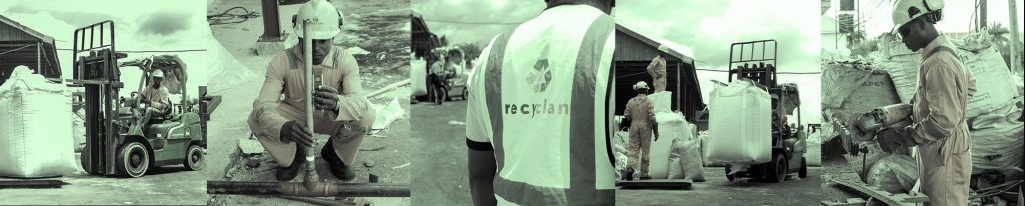
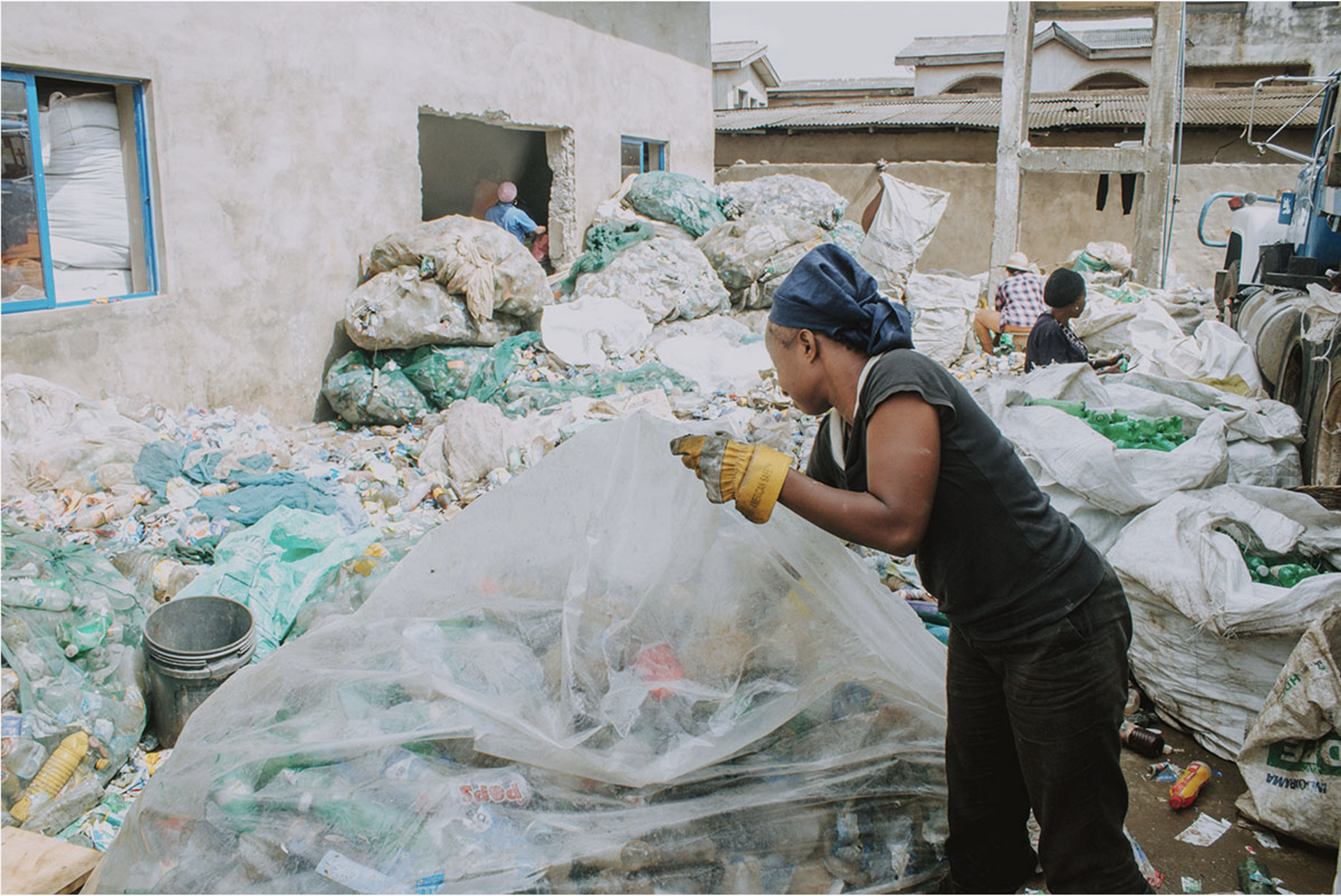
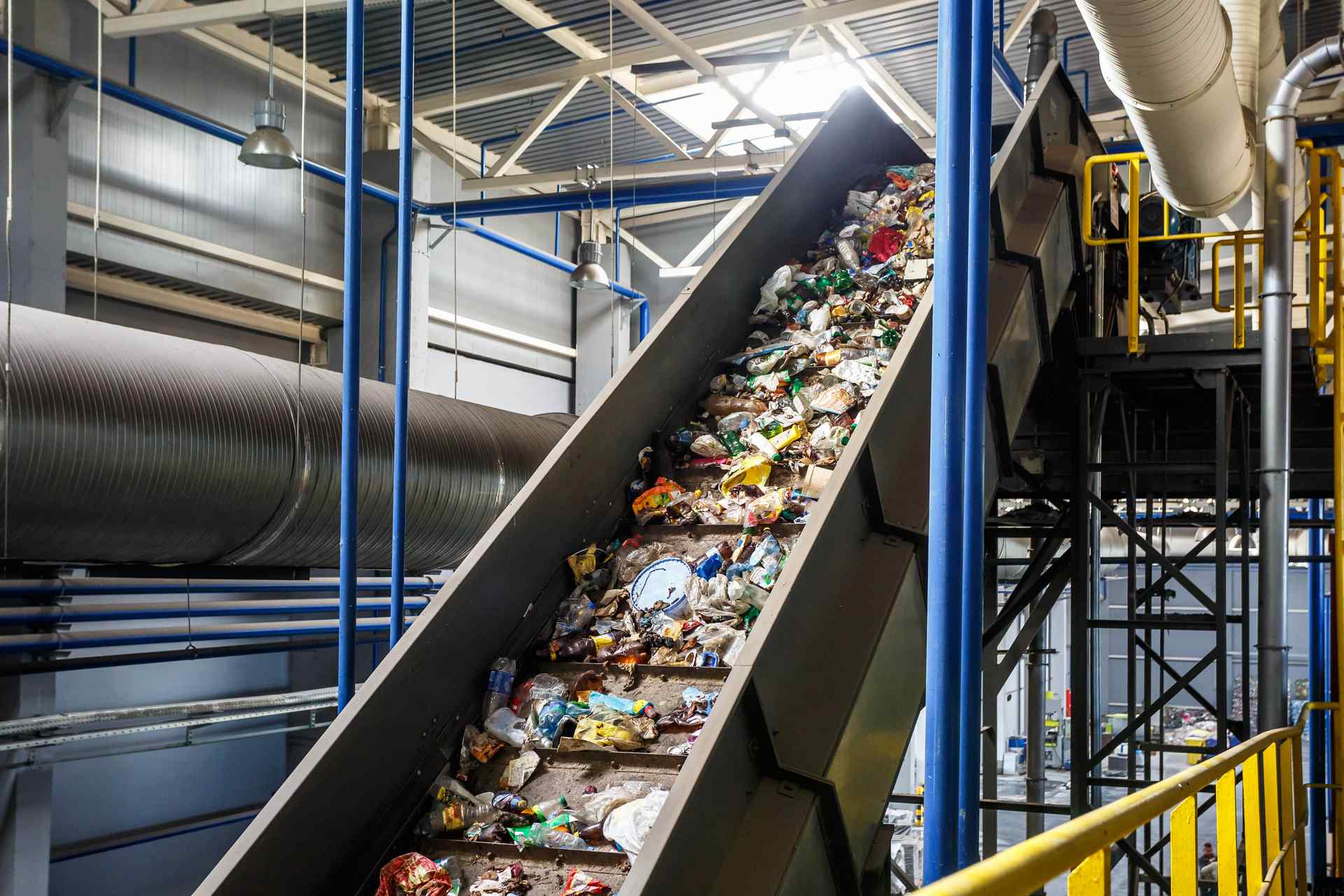
The collecting and sorting stage is where the recycling process begins. This involves gathering waste materials, such as PET plastics, from various sources like households, businesses, and communities. These materials are then sorted into categories based on type, quality, and suitability for recycling.
Sorting ensures that contaminants are removed, and recyclable materials are grouped efficiently for processing. This step is vital for producing high-quality recycled products while conserving energy and resources.
At Recyclan Africa, we emphasize community participation in collection and sorting to drive environmental and economic impact.
The hot washing stage is a critical step in the recycling process where collected plastics are thoroughly cleaned to remove contaminants such as labels, adhesives, and food residues. This involves washing the plastics in heated water mixed with detergents, ensuring they are free from impurities that could compromise the quality of the recycled material.
At Recyclan Africa, hot washing guarantees that the recycled PET meets the highest standards for reuse in the food and beverage industries, contributing to a circular economy.
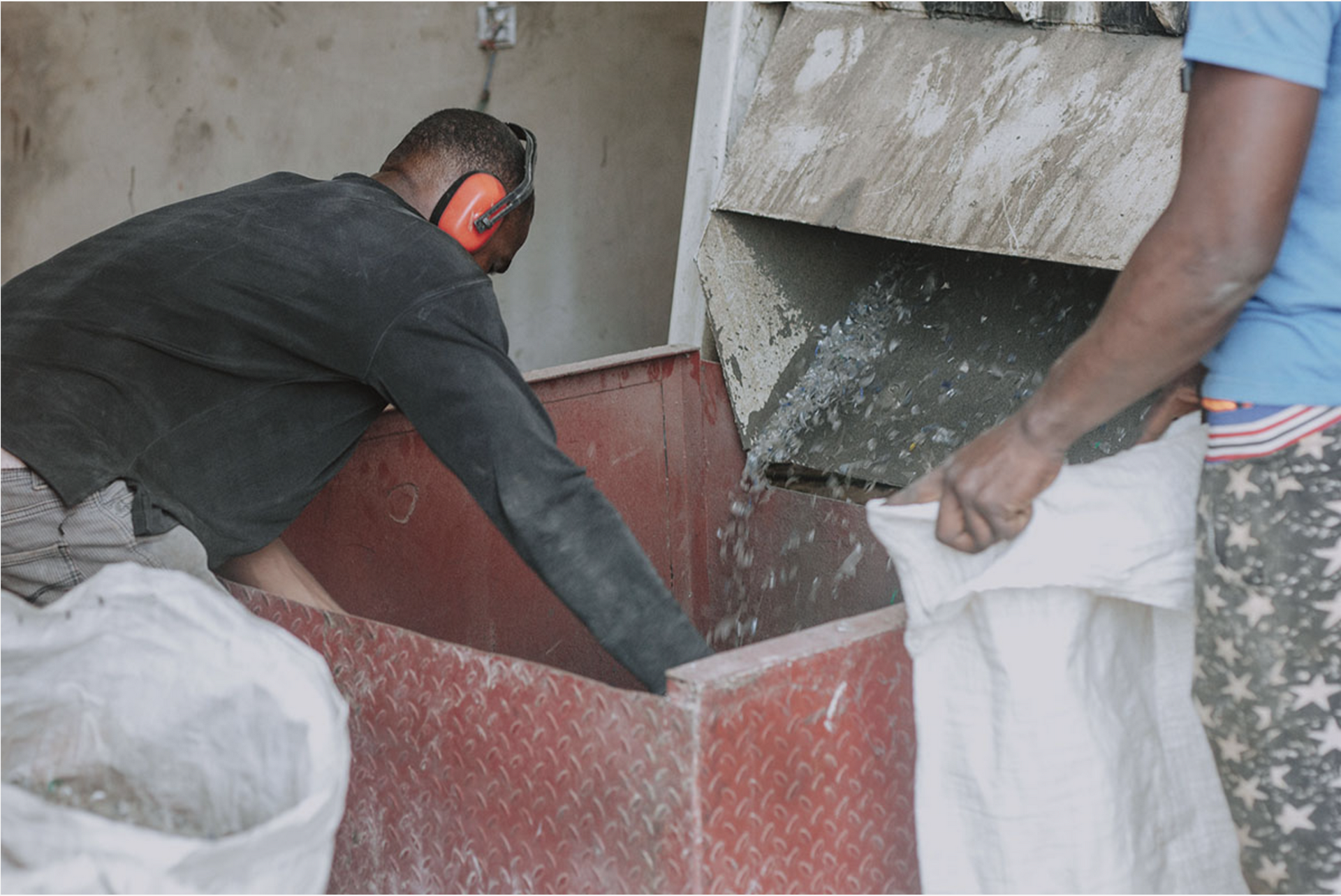
The crushing stage is where plastics are mechanically broken down into smaller, manageable pieces called flakes. This process reduces the material’s volume and makes it easier to clean and process in subsequent recycling stages.
Crushing ensures that plastics are evenly sized, facilitating efficient cleaning, sorting, and melting during later phases. This step plays a vital role in maintaining the quality and efficiency of the entire recycling process.
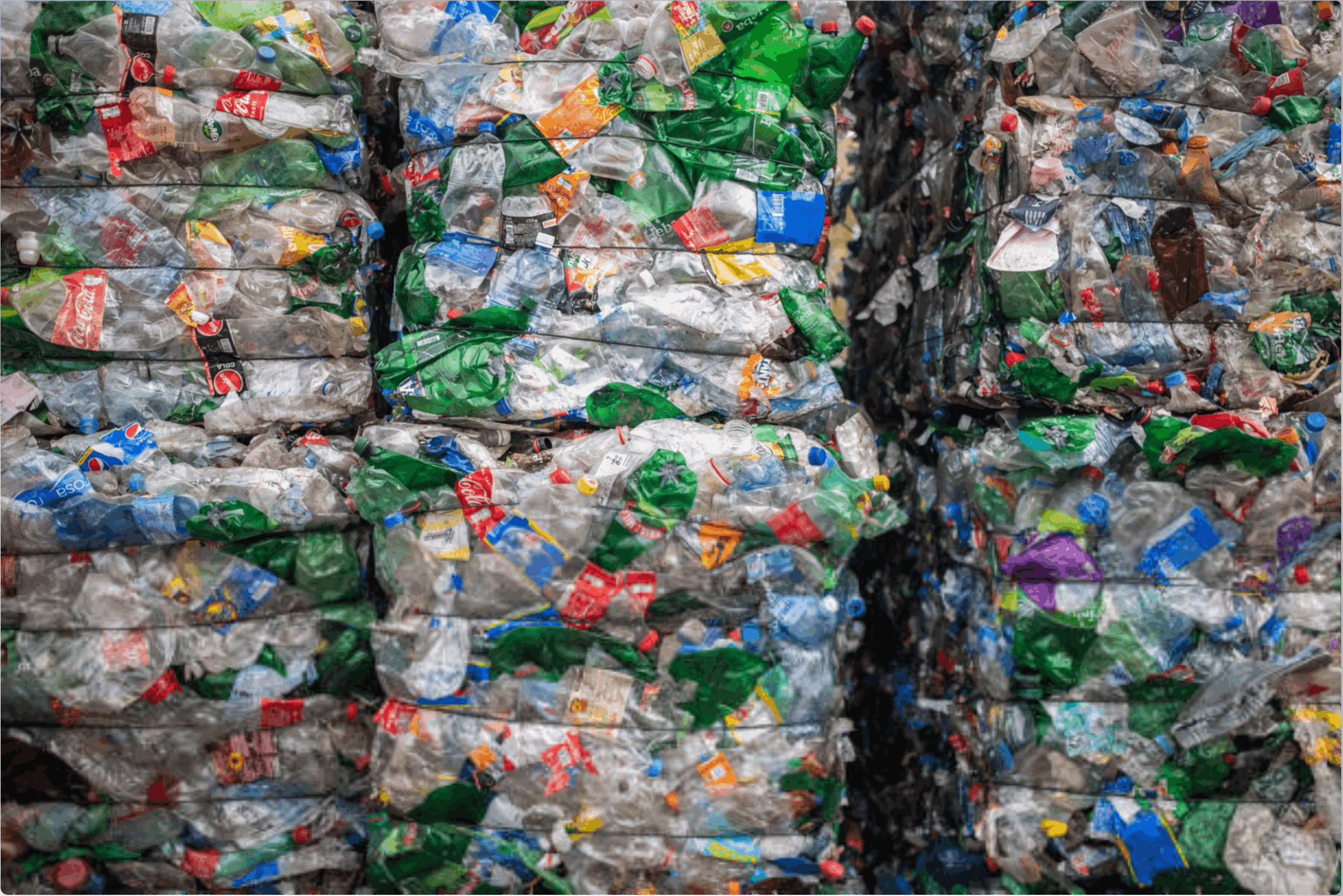
The baling stage involves compressing sorted plastics into tightly packed bundles, known as bales. This process reduces the volume of the materials, making them easier to store, transport, and handle during the recycling process.
At Recyclan Africa, baling is essential for streamlining logistics and ensuring that large quantities of plastics can be efficiently moved to processing facilities. This step is vital for optimising the recycling supply chain and promoting sustainable practices.